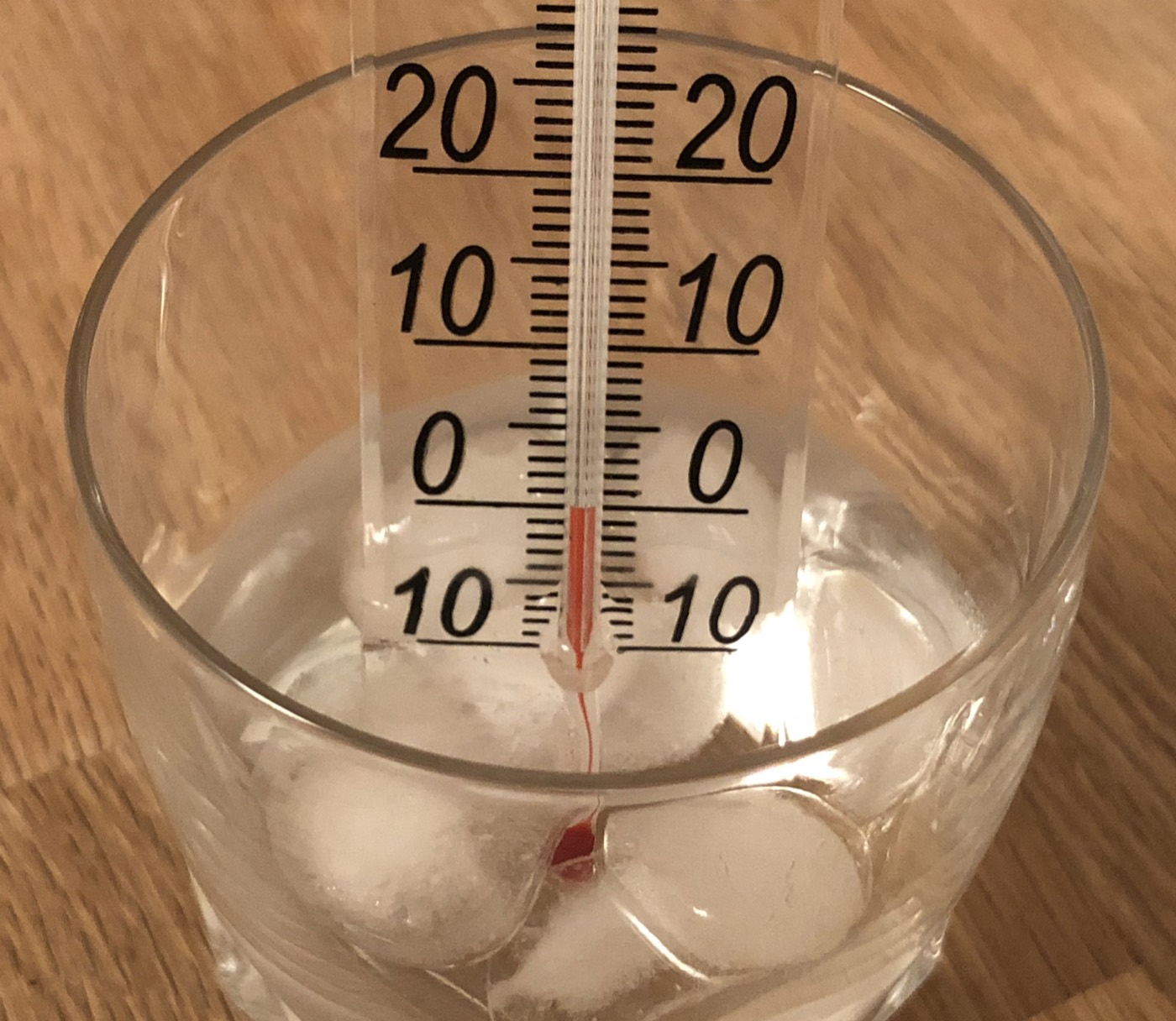
A fever in a child means a temperature of 38°C (100.4°F) or above. Fever is a normal immune response to infection — usually a common virus — and the number on the thermometer matters far less than how the child looks and behaves.
How should I measure my child’s temperature?
Use a digital thermometer under the arm for children under 5, or in the mouth for older children who can hold it safely. Forehead strips are unreliable. Do not measure immediately after a hot bath or being tightly wrapped.
Which signs need urgent medical care?
Seek care immediately if a child has any of the following, whatever the temperature reads:
- A rash that does not fade when pressed with a glass
- Difficulty breathing, grunting, or drawing in beneath the ribs
- Unusual drowsiness, floppiness, or being very hard to wake
- A first fit or convulsion
- A stiff neck, or pain on looking at bright light
- Signs of dehydration — no wet nappy for many hours, no tears, a sunken soft spot
- Any fever in a baby under 3 months, or a temperature of 39°C or above in a baby aged 3–6 months
How can I keep my child comfortable at home?
- Offer fluids often — small sips are better than large drinks
- Dress in light clothing; do not wrap the child up or cold-sponge them
- Paracetamol or ibuprofen may be given for distress, at the dose for the child’s weight. Give them for comfort, not to force the number down
- Let the child rest and eat as much or as little as they want
Never give aspirin to a child.
How long should a fever last?
Most viral fevers settle within 3 to 5 days. See a doctor if a fever lasts more than 5 days, keeps returning, or if the child is getting worse rather than better.
Does a higher temperature mean a more serious illness?
Not reliably. A child with 39.5°C who is drinking, alert and playing is usually less concerning than a child with 38.2°C who is limp, unresponsive or breathing hard. Watch the child, not just the thermometer.