Iron deficiency anaemia means the body lacks enough iron to make healthy red blood cells, so less oxygen reaches the tissues. It is the most common nutritional deficiency worldwide, and the World Health Organization estimates anaemia affects roughly 40% of children aged 6–59 months and 30% of women aged 15–49.
What are the symptoms?
- Tiredness and lack of energy that rest does not fix
- Shortness of breath on mild exertion
- Pale skin, and pallor inside the lower eyelid
- Headache, dizziness, or palpitations
- Brittle nails and hair loss
- Unusual cravings for ice or non-food items
What causes it?
- Blood loss — heavy menstrual periods are the most common cause in women; in men and post-menopausal women, bleeding from the digestive tract must be excluded
- Increased need — pregnancy, infancy, adolescence
- Poor intake — diets low in iron-rich foods
- Poor absorption — coeliac disease, previous stomach surgery, long-term acid-suppressing medicines
Finding low iron is only half the answer. In adults, the cause needs identifying, because anaemia can be the first sign of a bleeding source that needs treatment in its own right.
How is it diagnosed?
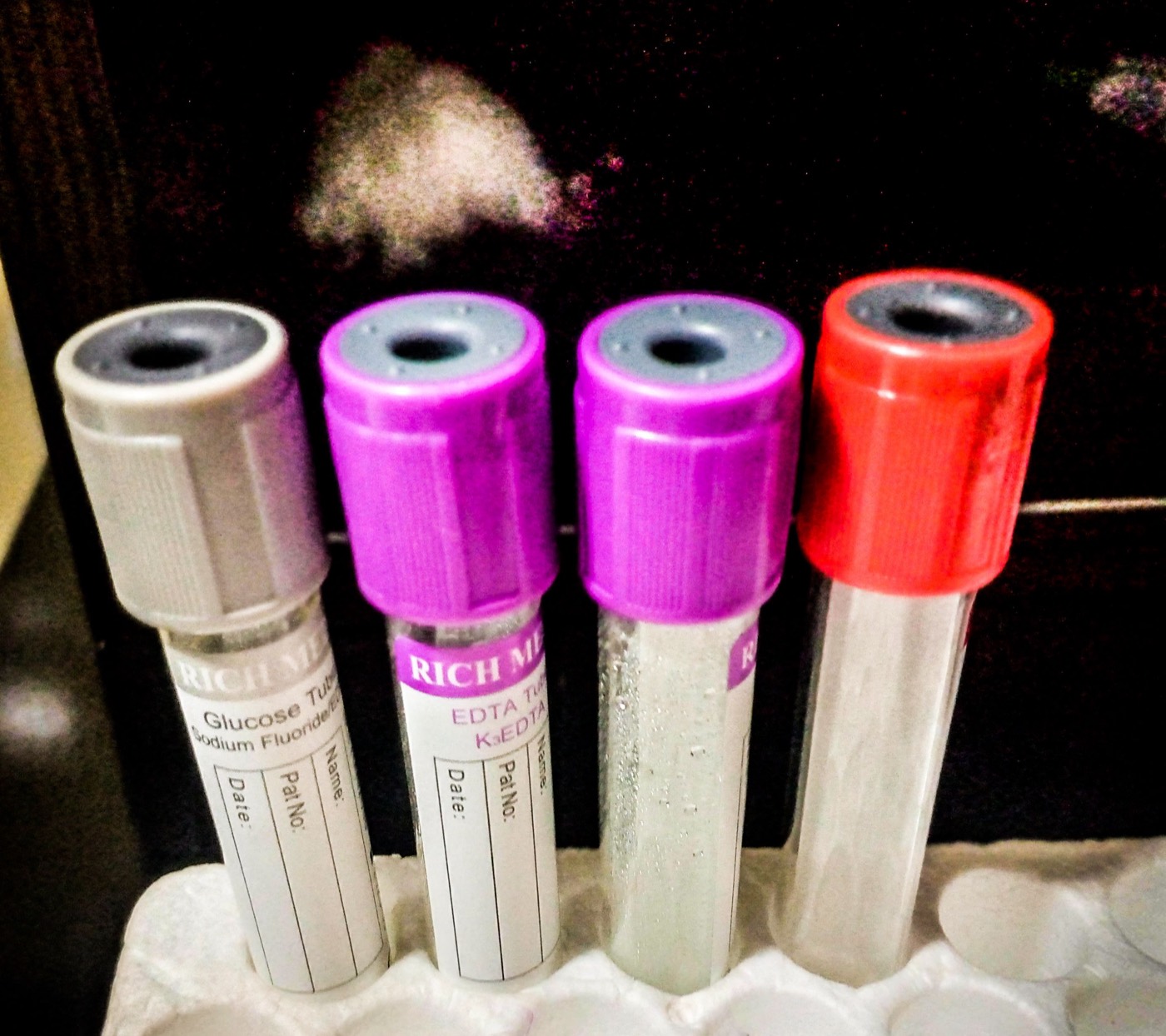
A full blood count shows low haemoglobin and small, pale red cells. Ferritin is the key test for iron stores — though it rises with inflammation and infection, so it is interpreted alongside other results.
How should I take iron tablets?
- Take on an empty stomach if tolerated, or with food if it causes nausea
- Vitamin C — a glass of orange juice — improves absorption
- Avoid tea, coffee, milk and calcium supplements within two hours; they substantially reduce absorption
- Continue for about 3 months after haemoglobin normalises, to refill stores
- Expect darker stools; this is harmless. Constipation is common and manageable
Which foods are high in iron?
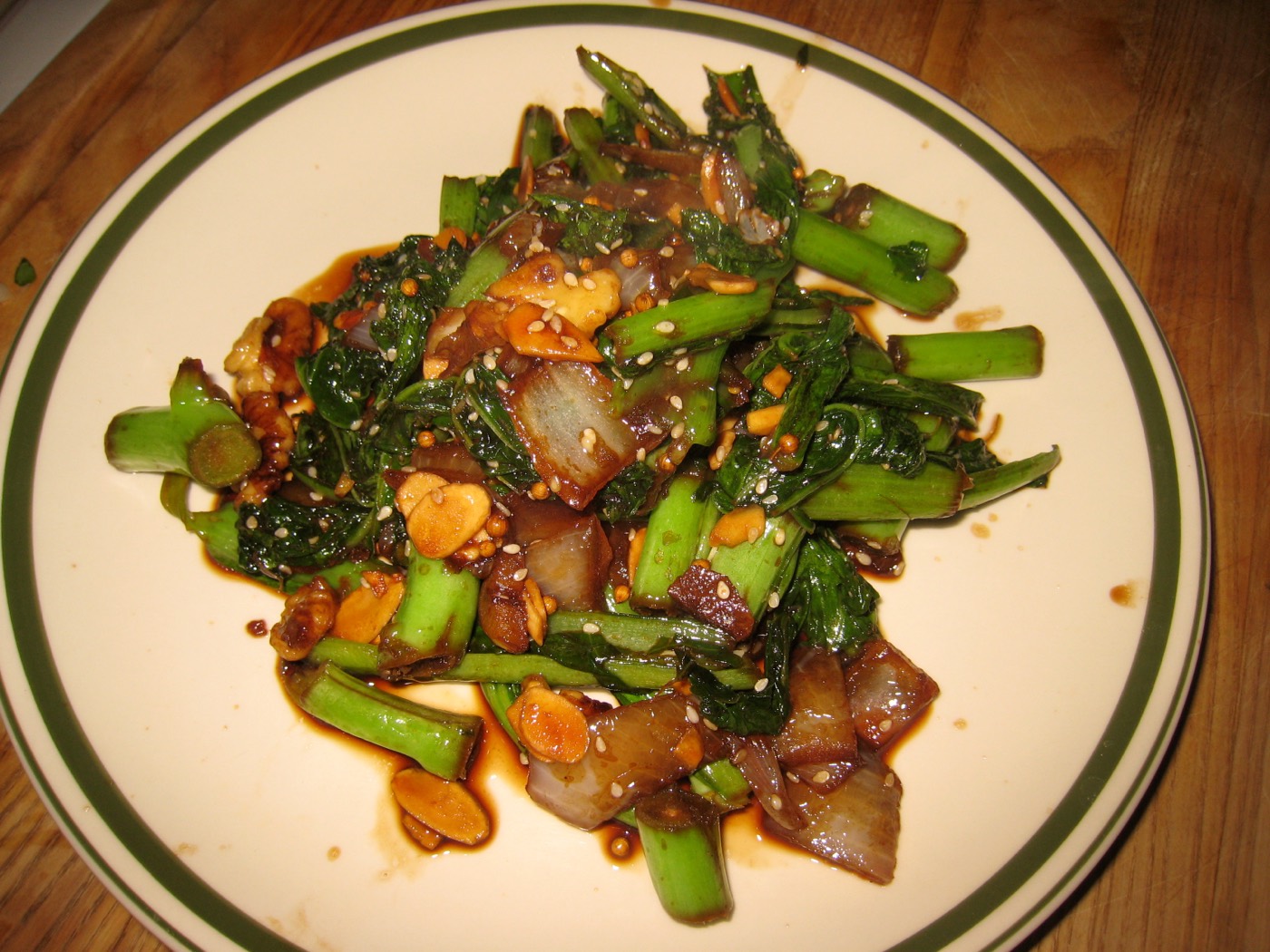
Red meat, liver, poultry and fish provide the most readily absorbed form. Lentils, beans, chickpeas, dark leafy greens, tahini and fortified flour are good plant sources — pair them with a source of vitamin C to improve absorption.
When should I see a doctor?
See a doctor for persistent tiredness, breathlessness or palpitations, for heavy periods affecting daily life, or for blood in the stool or black stools. Do not self-treat with iron long term without knowing the cause.